Big-Canada offers a rich, structured environment presenting detailed descriptions of lottery-style games, numeric frameworks, and concept-driven patterns. All content emphasizes clarity, long-form exposition, and neutral, informative presentation suitable for a wide Canadian audience.
Explore organized sequences, symbolic grids, layered pathways, and step-based manuals that simulate conceptual play scenarios. The content is designed for readers seeking insight, aggregation, and text-rich references without operational mechanics.
Explore Games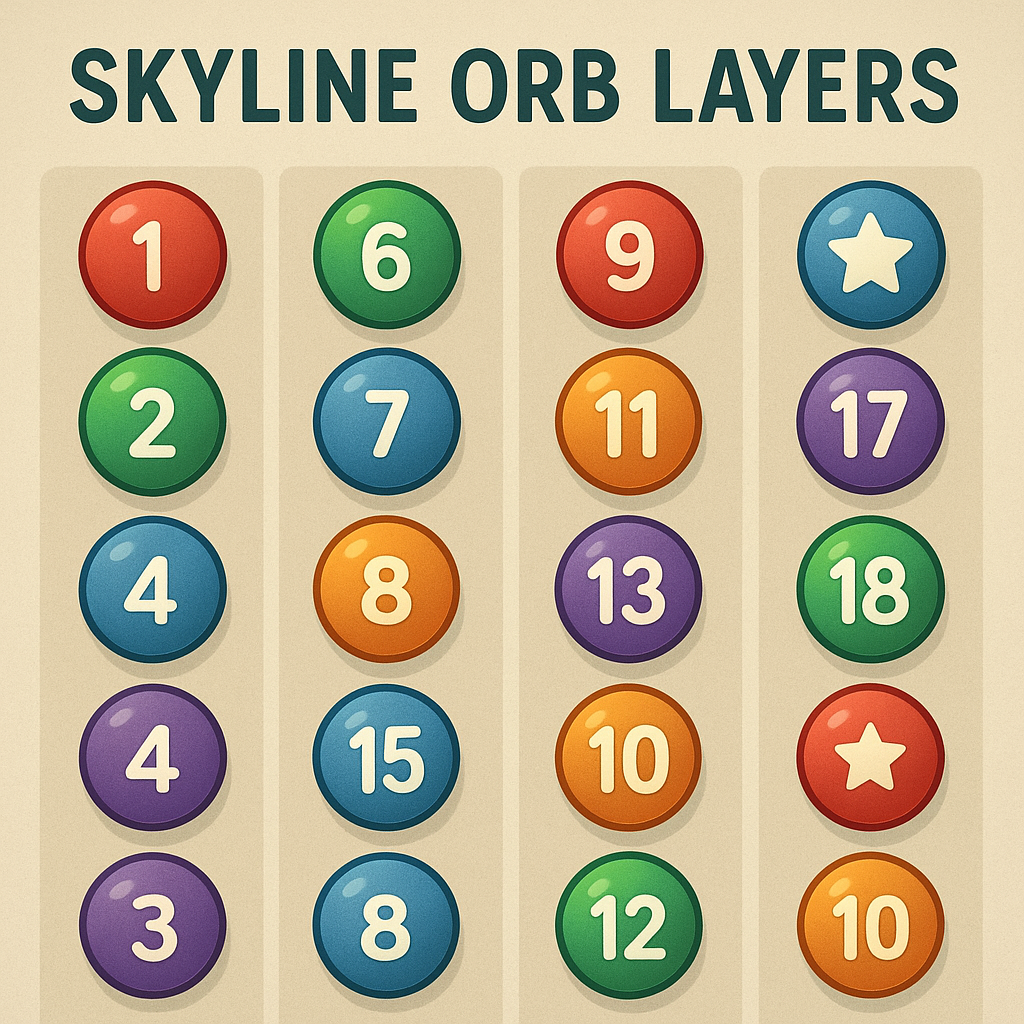
Skyline Orb Layers is a layered lotto concept centered on vertical and diagonal groupings of numbered or symbolic orbs. The model emphasizes tiered arrangements where each orb cluster serves as a thematic set, and combined clusters form extended patterns. Descriptions explore grouping logic, notional sequencing, and narrative framing intended for informational presentation and creative aggregation.
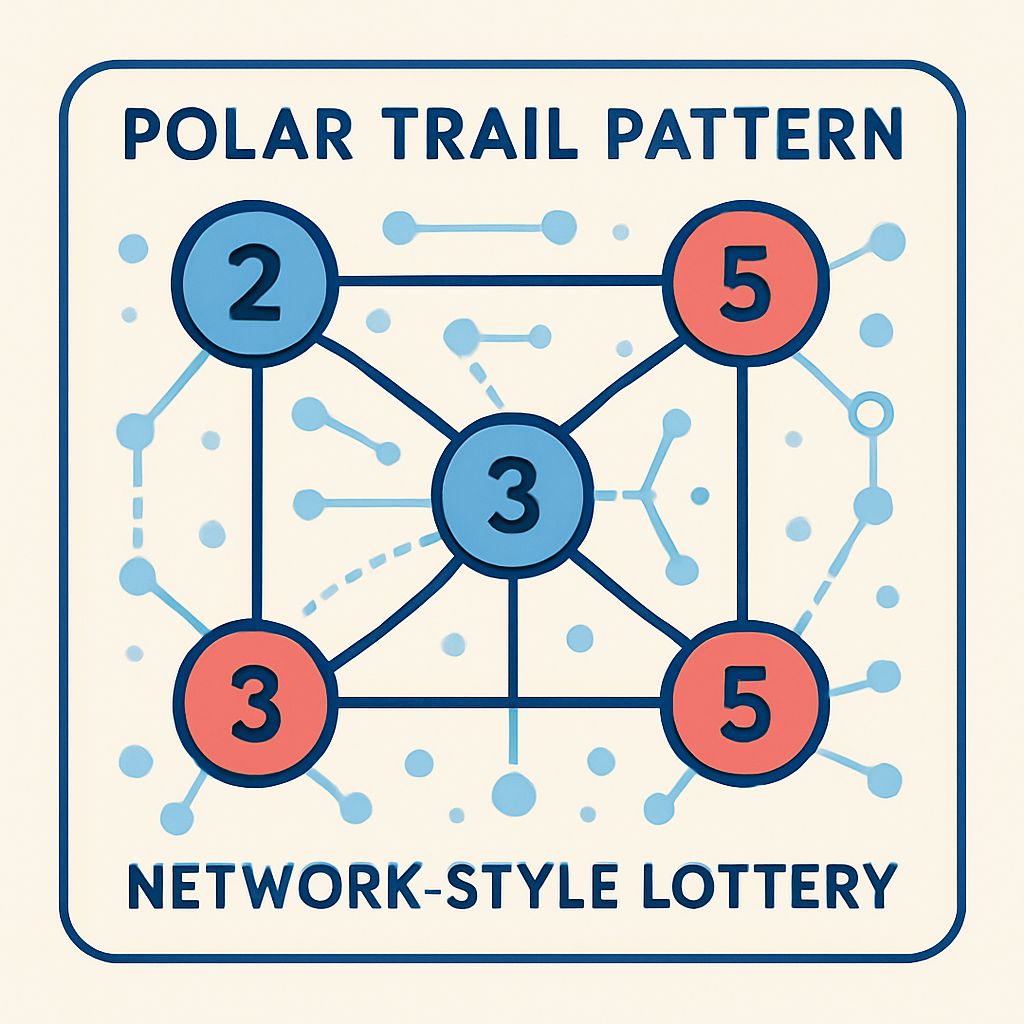
Polar Trail Pattern presents a network-style lottery concept where values form transit clusters and pathway chains. Each cluster is described as a transition node, and pathway chains illustrate hypothetical progressions across mapped zones. The content highlights structural mapping, layered trajectories, and descriptive sequencing for readers and aggregators.
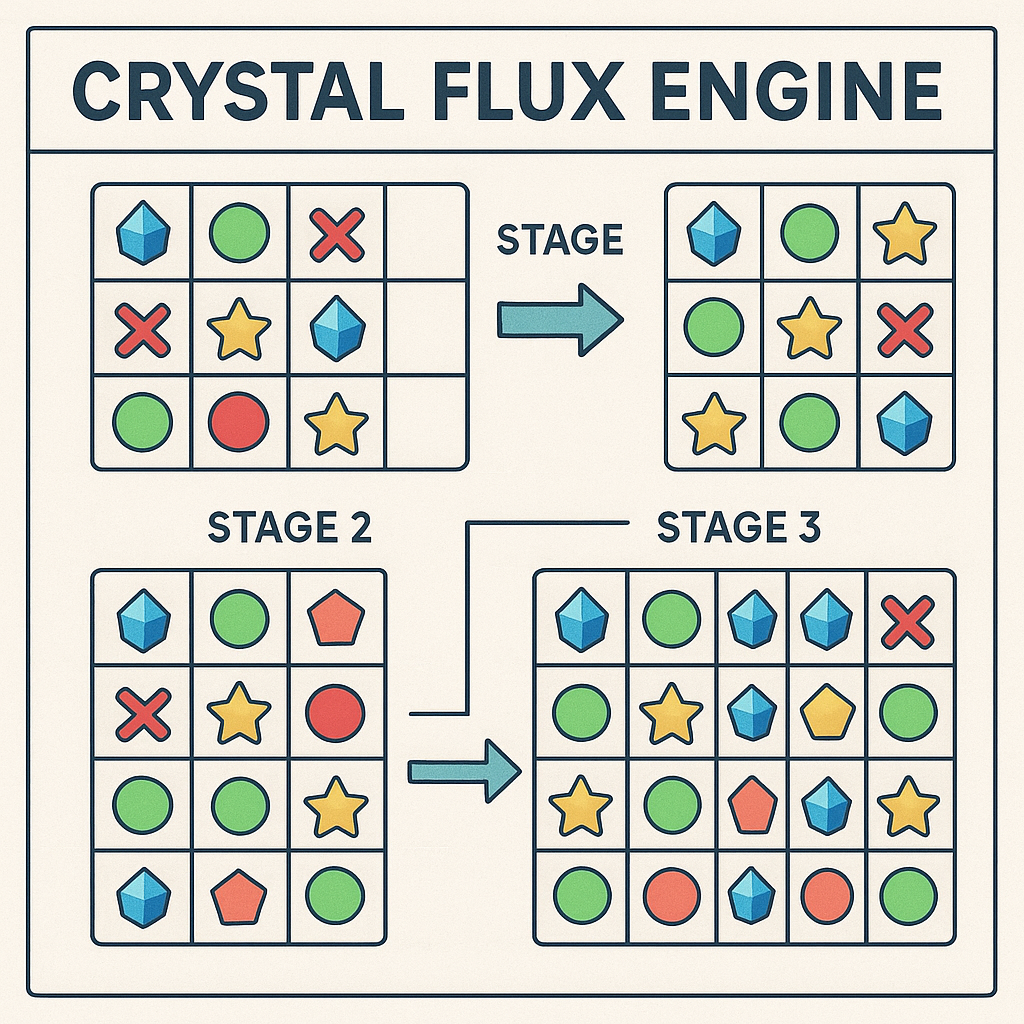
Crystal Flux Engine describes a multi-stage lotto structure built from sequential flux-cells and sectional rows. Each stage is outlined with emphasis on directional shifts, staged transitions, and layered symbol sets. The narrative focuses on descriptive layout, system-like framing, and text-rich explanations suitable for editorial presentation.
The Skyline Orb Layers manual delves into the intricate design of a layered lotto concept, focusing on vertical and diagonal groupings of numbered and symbolic orbs. Each layer represents a thematic cluster, which, when combined with other layers, forms complex patterns that invite readers to explore hypothetical strategies. The system is built to encourage detailed observation of sequence logic, pattern recognition, and creative analytical thinking.
Players are guided to consider the positioning of orbs in relation to each other, the potential alignment of clusters, and the narrative framing of sequences. By following the structured tiers, readers can trace hypothetical outcomes, interpret pattern dynamics, and develop a comprehensive understanding of the conceptual layout. This approach enhances engagement and promotes imaginative problem-solving within a structured, descriptive environment.
The manual provides extensive insights into grouping principles, logical layering, and theoretical sequencing. Illustrations and diagrams, while descriptive, reinforce the visualization of extended patterns, offering a text-rich resource for aggregation, analysis, and learning of conceptual lotto systems.
Polar Trail Pattern provides a detailed guide to a network-style lottery structure, where numbers form interconnected transit clusters and pathway chains. Each cluster serves as a transition node, illustrating potential sequences and connections across mapped conceptual zones. The manual emphasizes systematic mapping, trajectory analysis, and layered sequencing to promote understanding of structural relationships within game scenarios.
Readers are encouraged to explore hypothetical progression paths, analyze node interdependencies, and interpret network patterns through structured textual description. The content supports conceptual reasoning, visual mapping exercises, and step-based walkthroughs of game mechanics, all presented in a descriptive, editorial-friendly format.
The guide offers creative engagement through illustrative examples, demonstrating how clusters interact, how transitions might hypothetically occur, and how layered pathways create complex pattern structures. By following this manual, readers gain an in-depth perspective on the design, progression logic, and strategic interpretation of the Polar Trail Pattern.
The Crystal Flux Engine manual explores a multi-stage lotto system constructed from sequential flux-cells and sectional rows. Each stage emphasizes directional shifts, staged transitions, and layered symbol sets, providing readers with a detailed conceptual framework for understanding complex sequences and pattern flow.
This guide encourages the examination of structural relationships, transitions between stages, and the alignment of flux-cells within the multi-layered environment. Readers can trace symbolic flows, map hypothetical scenarios, and interpret the dynamic interaction between sequential elements. The descriptive approach fosters creative visualization and deep comprehension of the system-like design.
Additional sections focus on strategic observation, hypothetical analytics, and pattern recognition exercises. Through narrative description, diagrammatic explanation, and structured textual guidance, the Crystal Flux Engine manual provides an immersive, content-rich resource for readers seeking in-depth understanding and editorial-level analysis of conceptual lottery mechanisms.
Big-Canada encourages thoughtful interaction with our lottery-inspired games. Explore patterns, test strategies, and enjoy imaginative play while keeping your sessions balanced and conscious.
Decide session length in advance and take breaks to keep play intentional.
Focus on exploring patterns or testing strategies, then pause once goals are met.
Treat outcomes as conceptual exercises, not real-world results.
Alternate gameplay with reading, creative projects, or social interaction.
Note interesting patterns or strategies to enhance learning and engagement.
Answer honestly. If yes to one or more, take a break:
If yes: pause, engage in other activities, and consider reducing session frequency.